How Policies Investigate Direct Selling Companies in India: A Complete Guide for 2026

By Advocate Priyanka Sharma, Direct Selling Legal Expert | Apr 22, 2026
Government policies investigating direct selling companies and MLM company regulations in India

Understanding Direct Selling and MLM Company Structure

A direct selling company operates on a model where products are sold directly to consumers without retail stores, while an MLM company follows a multi-level marketing structure involving recruitment and commission-based earnings. In India, every direct selling company and MLM company must follow strict compliance rules to ensure transparency. The rise of the direct selling company model has led to increased scrutiny, as authorities aim to distinguish between a legitimate direct selling company and a fraudulent MLM company.

Policies ensure that each direct selling company maintains proper documentation, ethical selling practices, and avoids pyramid schemes often linked with some MLM company operations. A responsible direct selling company focuses on product value, while a genuine MLM company must avoid income claims that mislead consumers. Therefore, regulators constantly monitor each direct selling company and MLM company for legal compliance.

Government Policies Regulating Direct Selling Company in India

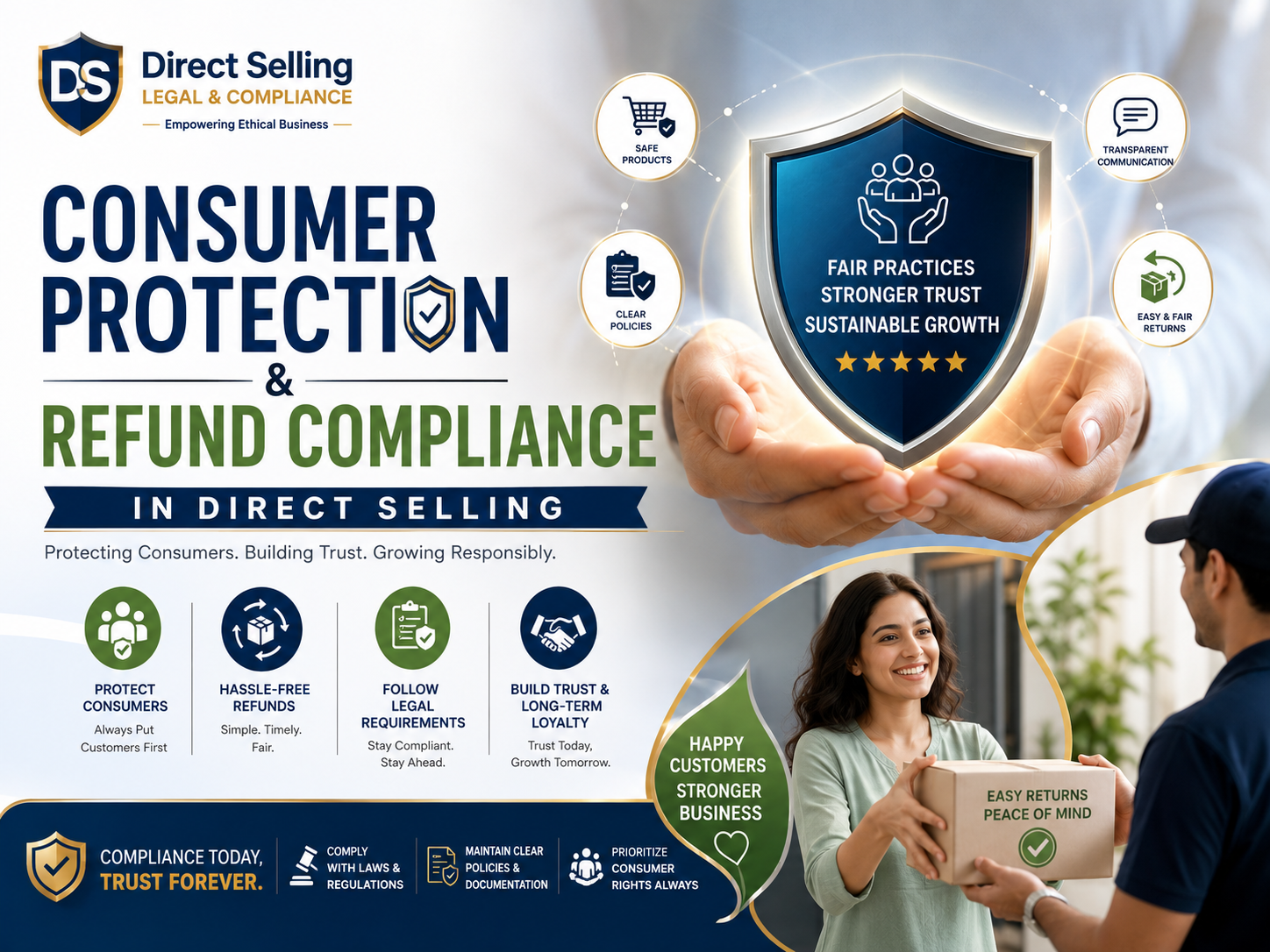
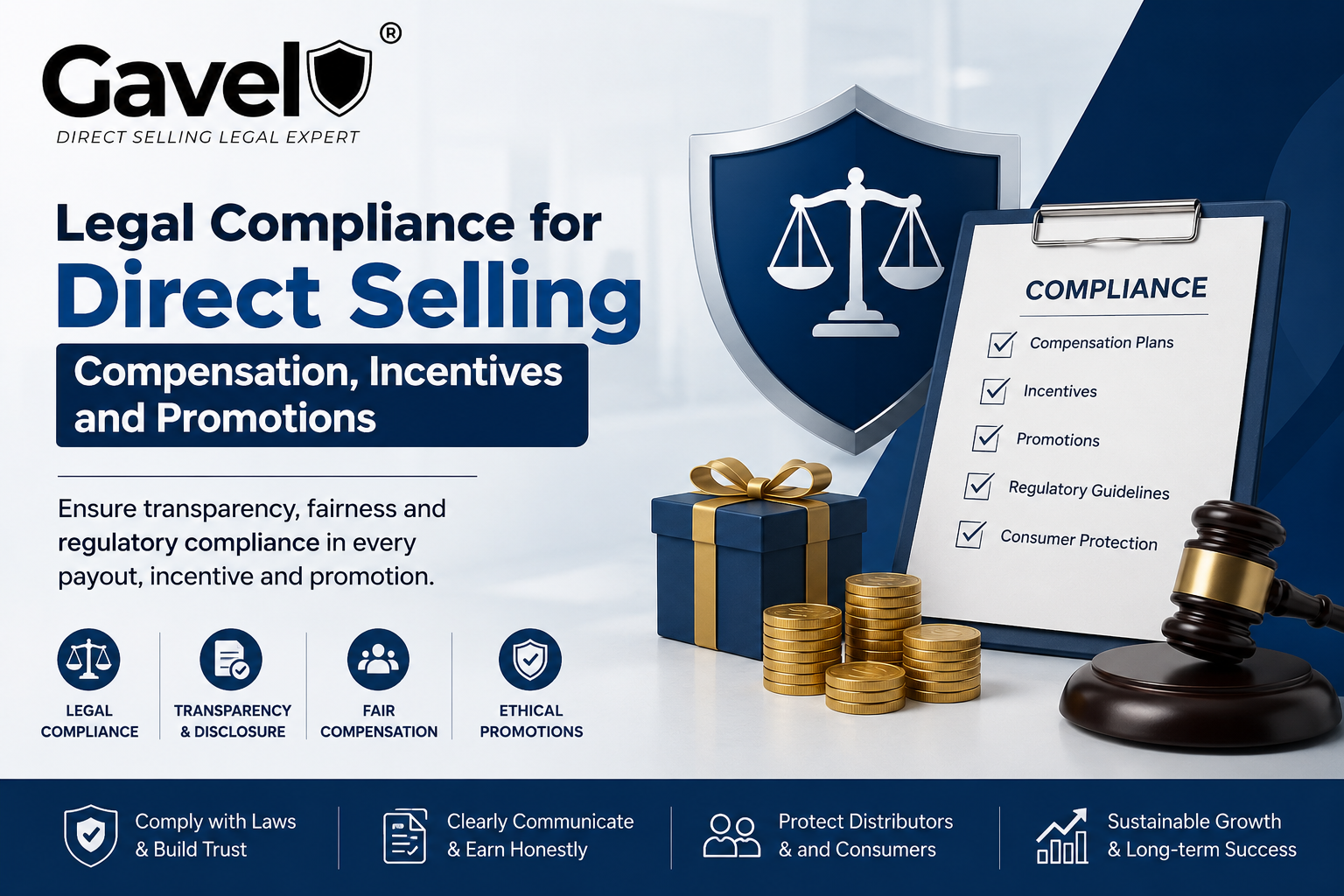
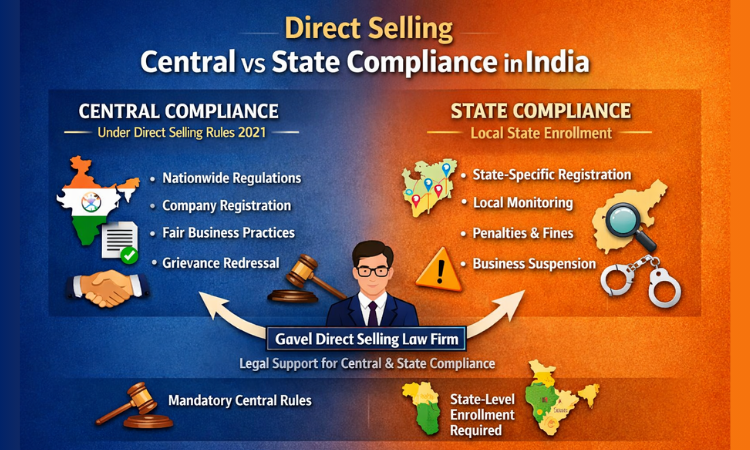
The Indian government has introduced various frameworks to regulate every direct selling company and MLM company. These policies ensure that a direct selling company does not operate as a pyramid scheme. Guidelines require each direct selling company to provide clear refund policies, proper invoices, and transparent earning structures.

An MLM company must also comply with these guidelines, ensuring that income is based on product sales rather than recruitment. Authorities investigate every direct selling company and MLM company by reviewing compensation plans, marketing claims, and distributor agreements. Any direct selling company found violating rules can face penalties, and an MLM company operating illegally may be banned.

Policies also require every direct selling company to register and maintain consumer grievance systems. Similarly, an MLM company must provide clear information about risks and earnings. This ensures that both direct selling company and MLM company models remain consumer-friendly.

How Authorities Investigate Direct Selling Company Operations

Investigations into a direct selling company often begin with consumer complaints or suspicious financial activities. Authorities examine whether the direct selling company is product-focused or recruitment-driven. If an MLM company prioritizes recruitment over sales, it raises red flags.

Regulators analyze the structure of each direct selling company and MLM company by reviewing income distribution patterns. A genuine direct selling company shows revenue from product sales, while a questionable MLM company may rely heavily on joining fees.

Officials also audit the marketing strategies of every direct selling company and MLM company. Misleading advertisements or unrealistic income promises can lead to legal action. During investigations, a direct selling company must provide transaction records, while an MLM company must justify its compensation plan.

This detailed scrutiny helps identify whether a direct selling company is legitimate or if an MLM company is operating unlawfully.

Key Compliance Requirements for Direct Selling Company and MLM Company

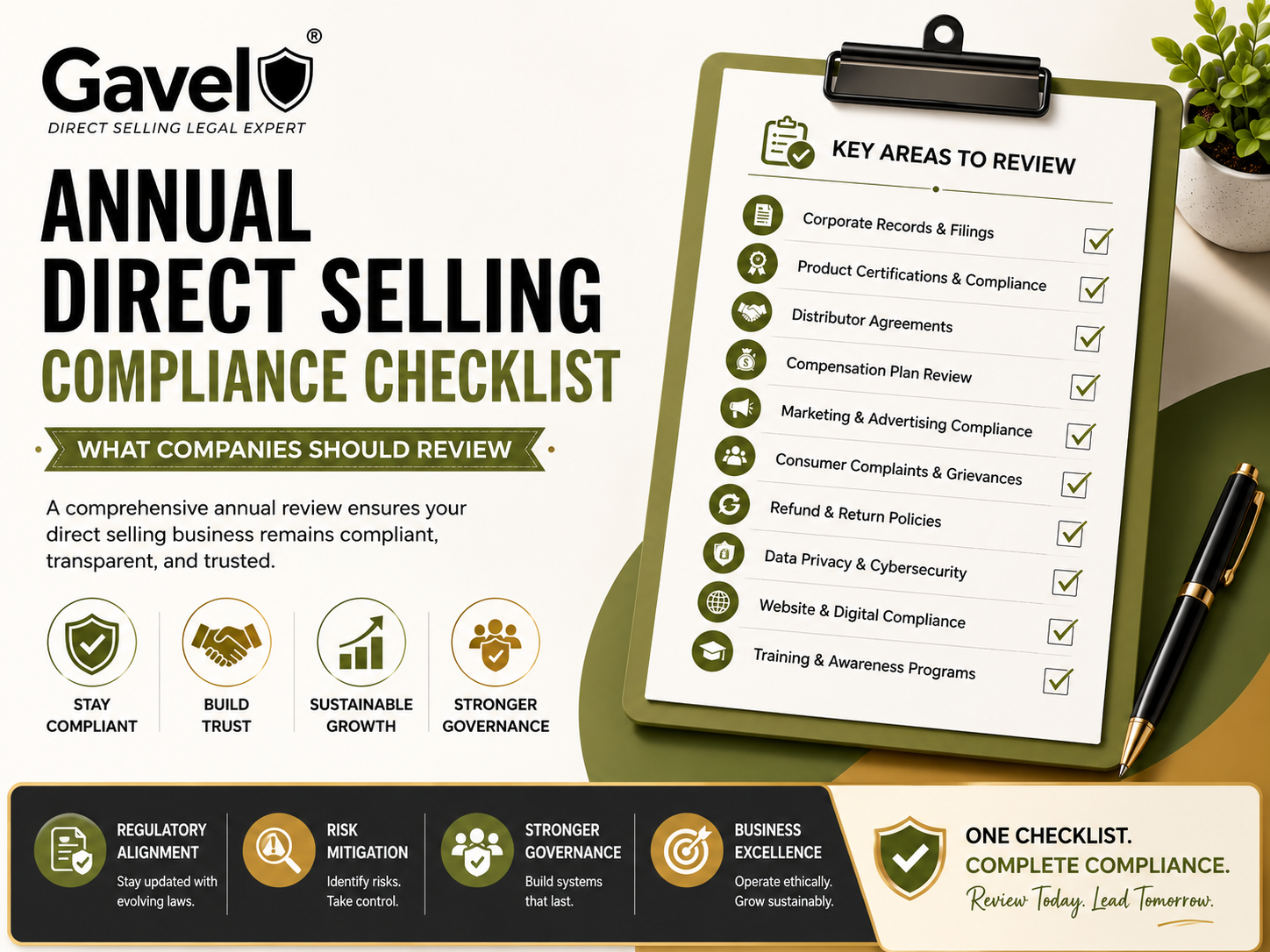
Every direct selling company must follow compliance rules such as KYC verification, tax registration, and proper documentation. Similarly, an MLM company must maintain transparency in its operations. A direct selling company is required to disclose product details, pricing, and return policies clearly.

An MLM company must ensure that earnings are not solely dependent on recruitment. Authorities verify whether a direct selling company and MLM company are protecting consumer rights. Training programs conducted by a direct selling company should focus on product knowledge rather than recruitment tactics often associated with some MLM company models.

Additionally, each direct selling company must have a grievance redressal system, and every MLM company must respond to complaints promptly. Non-compliance can lead to strict action against both direct selling company and MLM company entities.

Challenges and Future of Direct Selling Company Regulation in India

Despite strong policies, regulating every direct selling company and MLM company remains challenging due to digital expansion. Online platforms have made it easier for a direct selling company to reach consumers, but also harder to monitor every MLM company activity.

The future of the direct selling company sector depends on stricter enforcement and awareness. Authorities are working to ensure that each direct selling company follows ethical practices while preventing illegal MLM company schemes. Technology-driven monitoring may improve how a direct selling company is tracked and how an MLM company is evaluated.

In conclusion, policies play a crucial role in shaping the credibility of every direct selling company and MLM company in India. A transparent direct selling company builds trust, while a compliant MLM company ensures long-term sustainability in the market.

Frequently Asked Questions

A direct selling company sells products directly to consumers without using retail stores.

An MLM company uses a multi-level marketing structure where earnings come from sales and team performance.

Authorities review business models, income structure, consumer complaints, and compliance documents.

No, only those MLM company models that focus on product sales and not recruitment are legal.

The company can face penalties, bans, or legal action depending on the severity of violations.
gavel law gavel law